
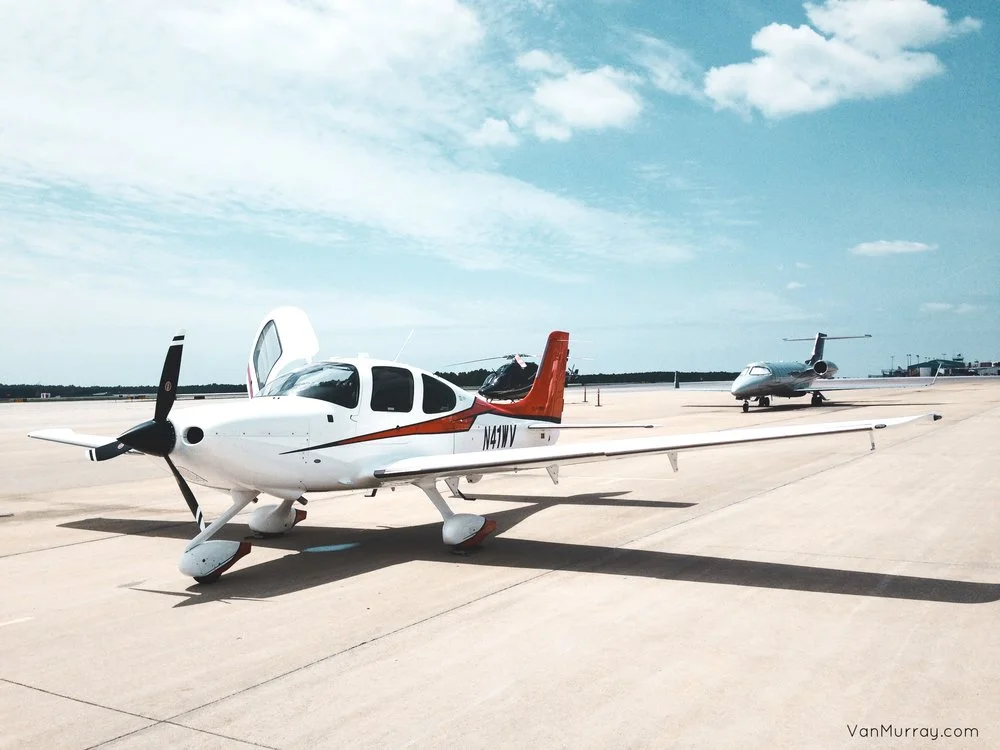
Back in 2013, I built an electronic Pilot Logbook Template for manned aircraft because I couldn't find a good one that suited my needs. Years later, when I started flying UAS (unmanned aircraft systems), I ran into the exact same problem — no clean, practical digital logbook for drone pilots.
So I built one.
What's Included
The UAS/Drone Pilot Logbook Template is a free Google Sheets document that includes:
- Flight Log — Date, location, aircraft, duration, weather conditions, purpose of flight
- UAS Information — Registration numbers, make/model, serial numbers for each aircraft in your fleet
- Maintenance Logbook — Track battery cycles, firmware updates, pre/post-flight inspections, and any repairs
Why Keep a Drone Logbook?
While the FAA's Part 107 rules for commercial drone operations don't mandate a logbook, maintaining one is strongly recommended for several reasons:
- Insurance claims — Documented flight history protects you if something goes wrong
- Client documentation — Professional pilots provide flight records as part of deliverables
- Incident reporting — Required data is already organized if you ever need to file a report
- Currency tracking — Know exactly how many hours you've flown and on which aircraft
- Waiver applications — Flight history supports LAANC authorizations and FAA waiver requests
2026 Update: Still Current
This template was built when Part 107 was still new. It still works exactly as intended for current regulations. Remote ID requirements are now fully in effect — your registration numbers live in the UAS Information tab. LAANC authorization has streamlined low-altitude commercial ops, but the fundamentals of logging your flights haven't changed.
If you're a commercial drone pilot, this is the logbook I'd hand you on day one.